

A Billion-Dollar Headline That Stops Time
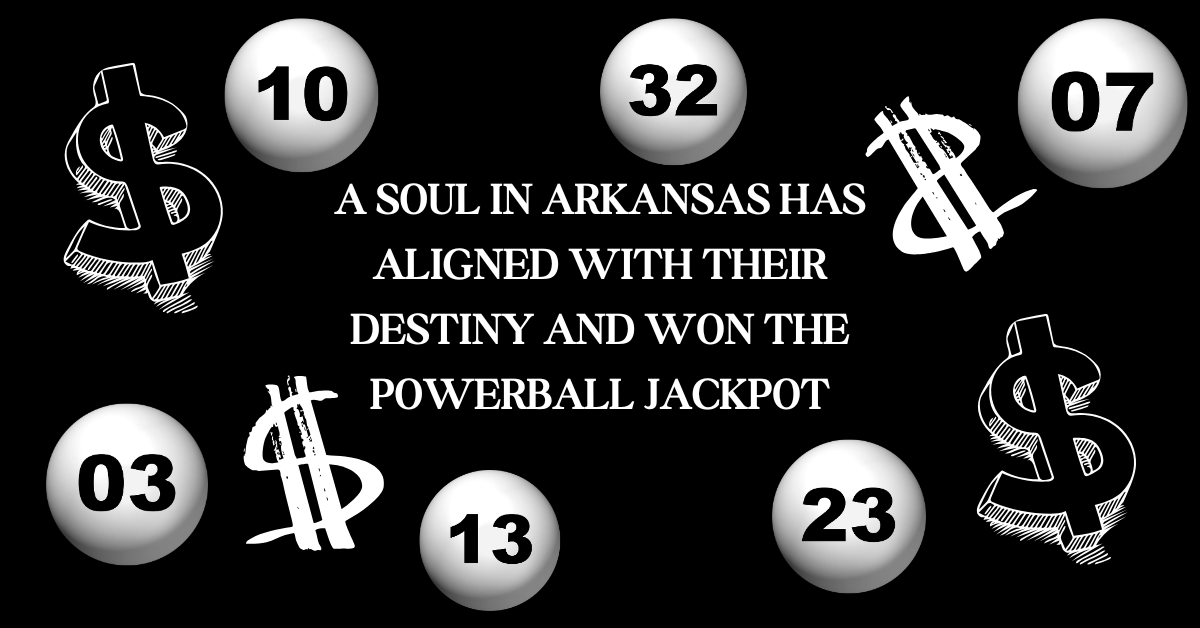
A billion-dollar Powerball jackpot is the kind of headline that immediately stops people in their tracks. It sparks curiosity, excitement, skepticism, and daydreams all at once. Recently, someone in Arkansas received what many would consider the ultimate Christmas present: winning over a billion dollars before taxes. In a single moment, their life shifted in a way most people only ever imagine. That kind of sudden wealth doesn’t just change financial circumstances—it alters identity, relationships, and the trajectory of an entire life.
How Powerball Works and Why Jackpots Get So Big
The Powerball is a lottery game that allows players the chance to win millions, or even billions, of dollars every week. Tickets cost just $2, and drawings take place every Monday, Wednesday, and Saturday. When no ticket matches all the winning numbers, the jackpot rolls over and continues to grow. Over time, it can reach staggering amounts that dominate headlines and become a shared cultural moment across the country.
The “Good Causes” Argument vs. The Odds
According to the Powerball website, the lottery has helped generate more than $37 billion for good causes supported by U.S. lotteries. That fact is often overshadowed by another statistic that media outlets love to repeat: the odds of winning are extremely low. We’re constantly reminded that the probability is so small that hoping to win is almost illogical. Yet, despite those odds, someone always eventually wins. And when that happens, it forces us to confront the limits of statistics and the mystery of timing.
Winners Don’t Buy Tickets Thinking About Probability
I doubt the Arkansas winner—or any major lottery winner before them—was thinking about probability or mathematical likelihood when they purchased their ticket. They likely bought it the same way millions of others do: casually, curiously, or maybe with a quiet sense of hope tucked away in the back of their mind.
The Real Fascination: The Human Story Behind the Winner
I’ve always been fascinated by major lottery winners, not because of the money itself, but because of the human story behind it. I wonder who they were before that defining moment. How did they live their everyday lives? Were they struggling financially, living comfortably, or somewhere in between? Did they enjoy their work? Were they content, restless, hopeful, or tired? How long had they been playing the lottery, and did they truly believe they would win one day?
Was the Jackpot “Random,” or Written Into Their Blueprint?
When you consider the idea that we may write a detailed blueprint for our lives before incarnating on Earth, the concept of a “random” jackpot win becomes much more intriguing. If life unfolds with intention rather than pure chance, then why was this experience written into their story? What role does sudden wealth play in their personal evolution? If we could follow lottery winners throughout the rest of their lives, perhaps we would better understand why that moment belonged to them and not someone else.
Why Someone Might Win: Karma, Integrity, or Soul Lessons
I like to think there are many possible reasons someone might win a massive lottery prize in this lifetime. Maybe in another lifetime, they experienced wealth but didn’t use it with care, awareness, or integrity. Perhaps this lifetime offers an opportunity to approach money differently—to understand it as a tool rather than an identity. Or maybe the experience of extreme wealth is meant to teach them about its limitations, the isolation it can bring, or the unexpected pressures that accompany it.
Wealth Brings Power, and Power Brings Weight
Becoming a millionaire or billionaire overnight doesn’t simply bring freedom. It introduces complexity. With that level of wealth comes power, and with power comes responsibility. You suddenly have the ability to influence lives, relationships, and entire communities. Every decision carries weight. Who do you help? How much do you give? Where do you draw boundaries? These questions don’t come with simple answers.
Generosity Isn’t Simple: Money Can Help and Harm
Sometimes, helping people financially can unintentionally cause harm. Removing struggle doesn’t always remove suffering, and it can prevent necessary growth. Navigating generosity without control, compassion without dependency, and support without obligation becomes one of the greatest challenges of sudden wealth. These are not problems most people are prepared to face, especially without time to emotionally adjust.
The Question Every Lottery Player Should Ask
For those who play the lottery regularly with hopes of hitting the jackpot, one of the most important questions to ask yourself is why. Why do you want to win the lottery? Sit with that question honestly and without judgment. Look back at your life from the moment things became difficult up until where you are now. Are you overwhelmed by financial pressure? Are you exhausted from survival mode? Do you feel trapped or out of options?
If You Believe in God or the Universe, There May Be Another Way
If the lottery feels like the only possible escape, it may be worth remembering that God, the Universe, or whatever higher power you believe in likely has other paths available—paths that don’t rely on chance. Sometimes relief comes through unexpected opportunities, gradual progress, or internal shifts rather than instant miracles.
Integrity and Values Under Pressure
This is also a moment for emotional and ethical reflection. Where does your integrity stand right now? What values guide your decisions? If you suddenly received an enormous amount of money, how would those values hold up? Most people plan for immediate needs first: paying off debt, buying a home, helping close family members. Very few think beyond that initial layer to consider how wealth might change their sense of self, their relationships, or their purpose.
What We Really Want Might Not Be Wealth
It’s possible that what many of us truly desire isn’t massive wealth, but stability, freedom, and peace of mind. Maybe what’s actually needed is a clear goal, a sense of purpose, consistency, and belief in your own ability to build something meaningful over time. There is a deep satisfaction that comes from creating something brick by brick, knowing it exists because of your effort, discipline, and resilience.
Destiny Doesn’t Cancel Growth
Still, if someone does win the lottery, perhaps it’s because it was destined for them by them. Maybe there is an experience tied to that wealth that their soul needs to encounter in this lifetime—whether that experience brings joy, challenge, loss, growth, or perspective. Wealth does not exempt anyone from growth; it simply changes the environment in which growth occurs.
My Honest Relationship With the Lottery
Despite all these reflections, I’ll admit that I still play the lottery occasionally. Dreaming about endless possibilities can be fun, and imagination has value. I usually only play when the jackpot reaches an exceptionally large amount. There was a time when I played more often, but I noticed I was becoming too absorbed in the fantasy and less grounded in reality. That energy could have been redirected toward building something tangible in my own life.
It’s Not the Lottery—It’s the Relationship
The lottery itself isn’t the issue. The relationship we have with it is what matters. It’s okay to play as long as there are limits and honesty with oneself. When hope turns into desperation, or fantasy replaces action, it’s time to pause and recalibrate.
Closing: Dream Boldly, Stay Rooted
The key is balance. Dream boldly, imagine freely, but stay rooted in action and responsibility. If something extraordinary is meant to be part of your reality in this lifetime, it will arrive when the timing aligns. Until then, there is meaning, purpose, and fulfillment to be found in building, learning, and growing right where you are.





Leave a Reply